%
FASHION DESIGN
FASHION DESIGNING
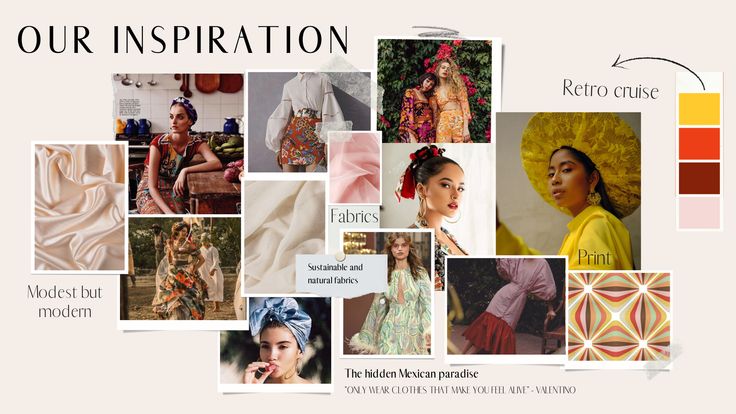
Fashion design Article:
Fashion design is the art of applying design, aesthetics, clothing construction, and natural beauty to clothing and its accessories. It is influenced by diverse cultures and different trends and has varied over time and place. "A fashion designer creates clothing, including dresses, suits, pants, skirts, and accessories like shoes and handbags, for consumers. They can specialize in clothing, accessory, or jewelry design, or may work in more than one of these areas.There are different lines of work for designers in the fashion industry. Fashion designers who work full-time for a fashion house, as in-house designers, create designs owned by the company and may either work independently or as a part of a design team. Freelance designers who work for themselves sell their designs to fashion houses, directly to shops, or to clothing manufacturers. There are quite a few fashion designers who choose to set up their labels, which offers them full control over their designs. Others are self-employed and design for individual clients. Other high-end fashion designers cater to specialty stores or high-end fashion department stores. These designers create original garments, as well as those that follow established fashion trends. Most fashion designers, however, work for apparel manufacturers, creating designs of men's, women's, and children's fashions for the mass market. Large designer brands that have a 'name' as their brand such as Abercrombie & Fitch, Justice, or Juicy are likely to be designed by a team of individual designers under the direction of a design director.
Designing a garment:
Garment design includes components of "color, texture, space, lines, pattern, silhouette, shape, proportion, balance, emphasis, rhythm, and harmony".[3] All of these elements come together to design a garment to create visual interest for consumers.
Fashion designers work in various ways, some start with a vision in their head and later move into drawing it on paper or on a computer, while others go directly into draping fabric onto a dress form, also known as a mannequin. The design process is unique to the designer and it is rather intriguing to see the various steps that go into the process. Designing a garment starts with patternmaking. The process begins with creating a sloper or base pattern. The sloper will fit the size of the model a designer is working with or a base can be made by utilizing standard size charting.
Three major manipulations within patternmaking include dart manipulation, contouring, and added fullness.[4] Dart manipulation allows for a dart to be moved on a garment in various places but does not change the overall fit of the garment. Contouring allows for areas of a garment to fit closer to areas of the torso such as the bust or shoulders. Added fullness increases the length or width of a pattern to change the frame as well as fit of the garment. The fullness can be added on one side, unequal, or equally to the pattern.
A designer may choose to work with certain apps that can help connect all their ideas together and expand their thoughts to create a cohesive design. When a designer is completely satisfied with the fit of the toile (or muslin), they will consult a professional pattern maker who will then create the finished, working version of the pattern out of paper or using a computer program. Finally, a sample garment is made up and tested on a model to make sure it is an operational outfit. Fashion design is expressive, the designers create art that may be functional or non-functional.
Type Of Fashion Designing:
- Haute Couture
- Ready-to-Wear
- Mass Market Fashion
- Costume Design
- Sportswear / Activewear
- Formal / Evening Wear
- Sustainable Fashion
- Avant-Garde Fashion
- Kidswear Fashion
- Textile / Fabric Design
FOR MORE DETAILS